

When we talk about brain health, we often think only of diet, physical exercise or medical care. All of these are very important, but there is another dimension that deserves attention: the brain also needs experiences, relationships, curiosity, learning and the right level of challenge.
Reading, studying, learning a language, solving problems, developing projects, taking part in cultural activities and socializing are experiences that engage different cognitive functions. Over a lifetime, this set of experiences can help build what is known as cognitive reserve.
What is cognitive reserve?
Cognitive reserve refers to the brain’s ability to use its networks and strategies flexibly in the face of aging, neurological changes or possible injury.
This does not mean that a person with greater cognitive reserve is immune to disease. What studies suggest is that certain factors, such as educational attainment, intellectually stimulating activities, social engagement and more complex occupations, may help the brain cope better with some changes and, in certain cases, delay the onset of symptoms.
Maintaining a cognitively active life is one of several habits associated with brain health. This care also involves:
- regular physical activity;
- a balanced diet;
- adequate sleep;
- lifelong learning.
The image of a “cognitive savings account” can help us understand this process. Each meaningful learning experience broadens our repertoire, creates new strategies and strengthens pathways for facing future situations. It is not about rushing to pile up activities, but about living experiences that truly involve thinking, participation and meaning.
Nourishing those who need it most
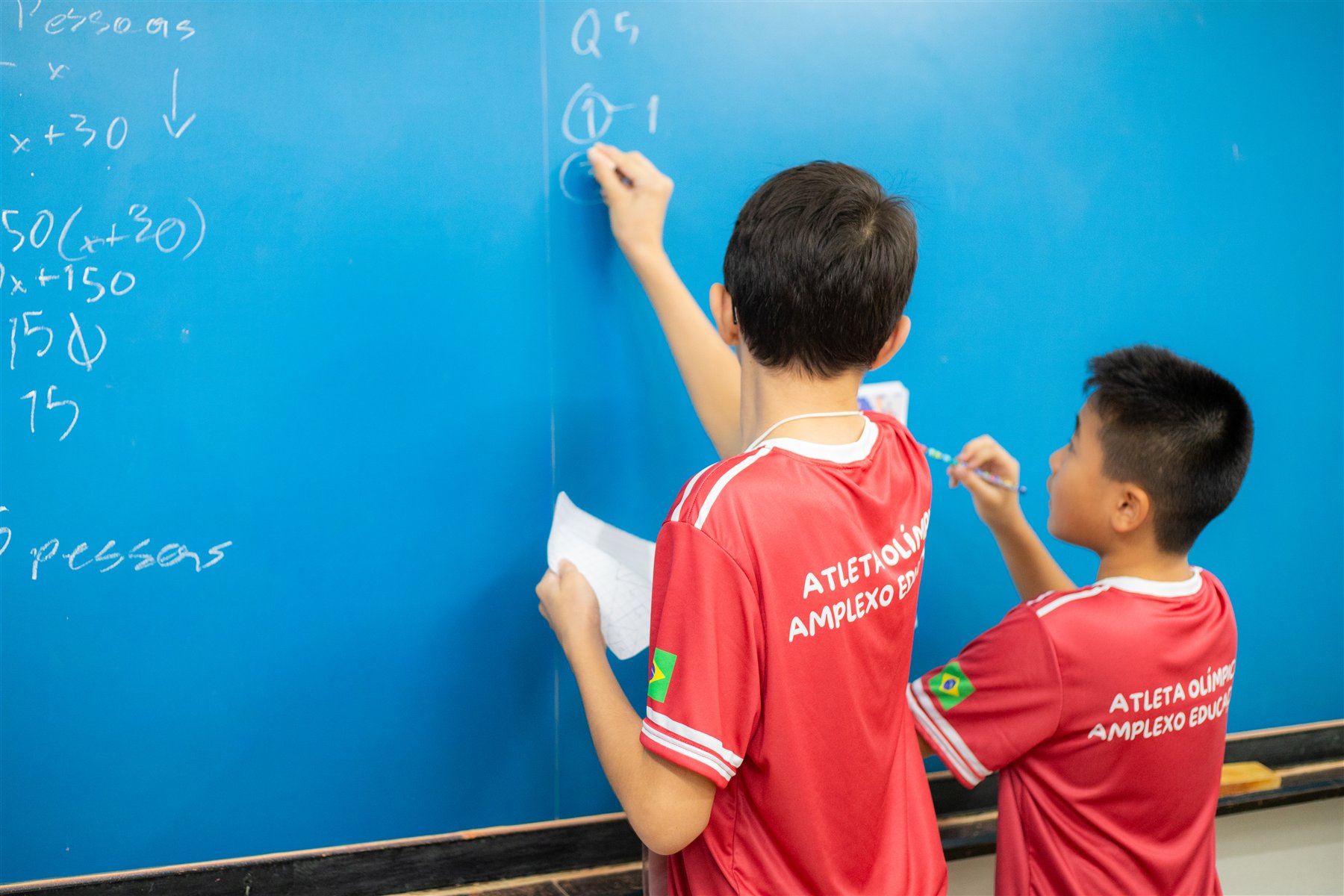
For gifted children and adolescents, the need for appropriate challenges becomes even more evident.
These students may show ease in learning, complex thinking, creativity, intense curiosity or deep interest in certain topics. This does not mean, however, that they all learn the same way, perform at a high level in every area or have the same needs.
When the environment offers only tasks that are repetitive, overly simple or poorly connected to the student’s interests, demotivation, disengagement and a feeling of not fitting in may arise. In some cases, anxiety, perfectionism or frustration may also appear. These responses should not be generalized, but they need to be observed with sensitivity.
Curriculum enrichment therefore emerges as an educational right and a necessary pedagogical response. Its goal is not simply to offer “more content” or to rush ahead to later subjects. Enrichment means broadening possibilities: investigating, creating, arguing, experimenting, developing projects, connecting different areas of knowledge and finding problems that spark genuine interest.
The goal is not to raise children who produce more. It is to make sure they find room to learn meaningfully, develop their abilities and build a healthy relationship with their own potential.
Curriculum enrichment, inclusion and well-being
Curriculum enrichment is part of the educational support provided for gifted students and should take into account both their strengths and their needs.
A well-designed program can foster a sense of belonging, the development of a positive identity and academic, creative and social growth.
Learning throughout life
Building cognitive reserve does not end in childhood, nor does it depend only on formal schooling. The brain retains its capacity to adapt throughout life, even though this plasticity changes over the years.
Learning something new, rediscovering an old interest, taking part in cultural activities, spending time with other people, staying physically active and remaining intellectually engaged are all ways to care for brain health. It is never too early to offer enriching experiences, and it is never too late to start learning again.
In childhood, this means ensuring environments that spark curiosity and respect different paces of development. In adulthood and later life, it means preserving opportunities for learning, social participation, autonomy and discovery.
Nourishing the brain is much more than passing on information. It means creating the conditions for each person to keep thinking, asking questions, making connections and finding meaning in the world.